
A memorable journey to London

 london26

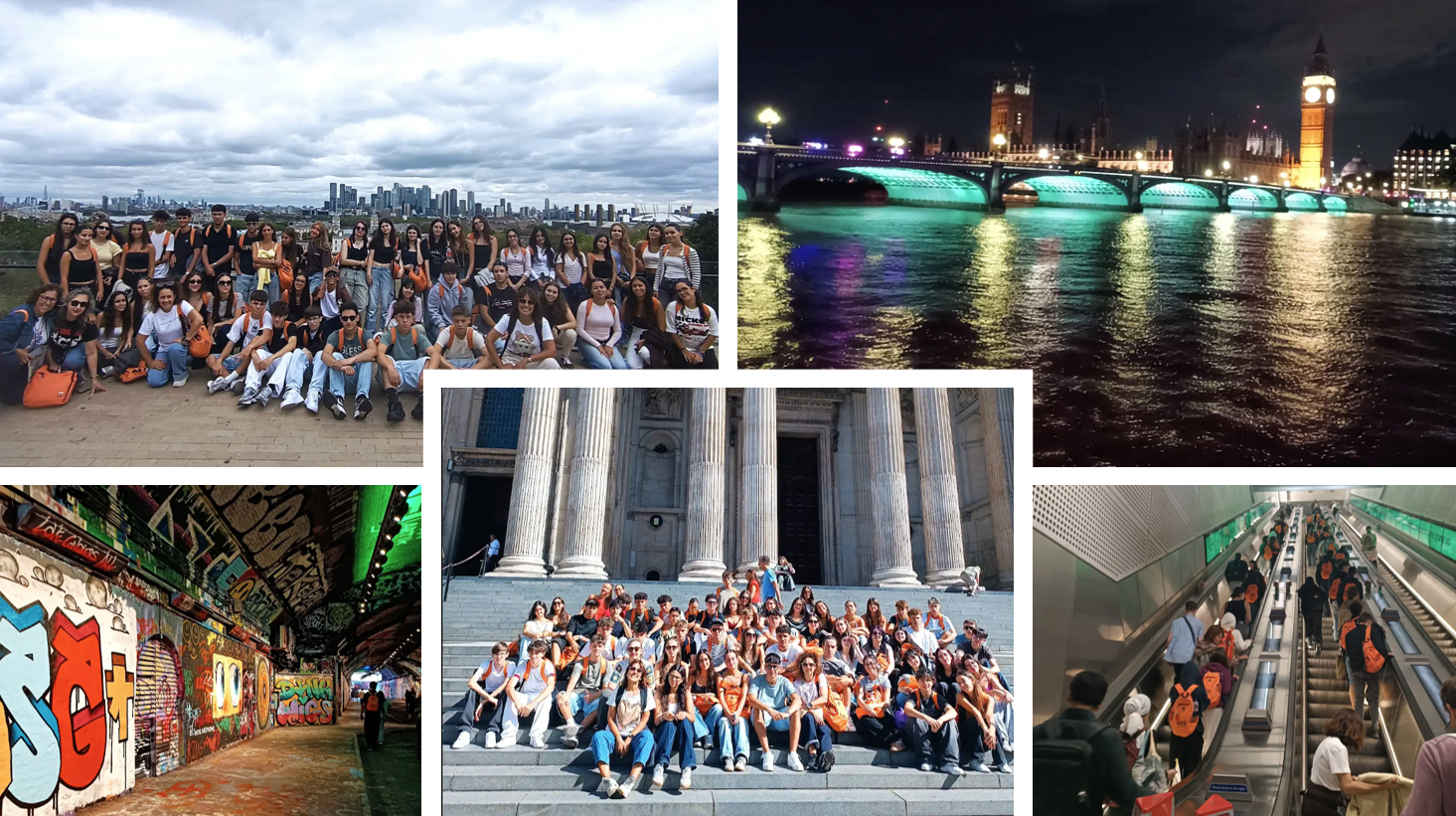
During the first week of September, between the 4th and the 9th, the 11th grade students of Escola Básica e Secundária Ferreira de Castro had the amazing opportunity to visit some of London's most iconic attractions and places. They were accompanied by their teachers Ângela Costa, Isabel Moutinho, Júlia Lopes, and Marta Pinho.

On their first day, after leaving their luggage at the hotel, they learned how to take the underground and headed to the Madame Tussauds Museum. There, they were excited to see wax replicas of various people ranging from actors to musicians, the British Royal Family, Princess Diana and iconic movie characters and franchises. In the evening, they experienced an amazing musical theatre production of Mamma Mia! by the theatre company Delfont Mackintosh Theatres.

During the morning of the second day, they visited the Natural History Museum and the Science Museum. Some students even got to visit the Victoria and Albert Museum, had that been their preference. All three museums offered an enriching experience, allowing the students to expand their scientific vocabulary in a fun, entertaining way. During the afternoon they walked around London, visiting parks, Buckingham Palace and the Big Ben. In the evening, they explored Piccadilly Circus and Chinatown freely, enhancing their conversational English.

On the third day, and arguably the most tiring day, they walked around Camden Town during the morning, learning more about the local culture and, in the afternoon, they had the opportunity to walk the Millennium Bridge and see St.Paul's Cathedral and the Shakespeare's Globe as well as the Tate Modern Museum. After dinner, they observed the London Eye and the Big Ben at night with their lights lit up, taking in the beautiful view.

During the fourth day, in the morning, they saw the Tower Bridge before travelling to Greenwich and, during the afternoon they saw a breathtaking view of London while inside the London Eye. After what felt like a couple of minutes in the London Eye they visited the London Dungeon, an immersive story-driven horror experience that left some excited and some scared to continue the journey inside. After leaving, they visited the famous Leake Street Arches, observing various graffiti.

During what should have been their last day, the students visited the British Museum and the Covent Garden Market. Some students also visited the National Art Gallery, expanding their knowledge on art from the 13th to the 20th century. After lunch, they headed towards the airport to catch their flight and, upon arriving at the check-in, found out that their flight had been cancelled. After tiring hours of waiting they discovered that they would have to spend the night at the Gatwick Airport until their flight in the afternoon of the following day. The night was unforgiving as the students and teachers slept on the cold floor of the airport, barely having any news about their situation.

Overall, even though they had that problem at the airport and walked a lot during the day, this was an enriching and fun experience, where the students had the opportunity to learn more about a different culture and country as well as practice their English skills and make new friends through an experience that a textbook could never provide. It was a remarkable experience that they will always remember and cherish.


Tatiana Borges 12.º A

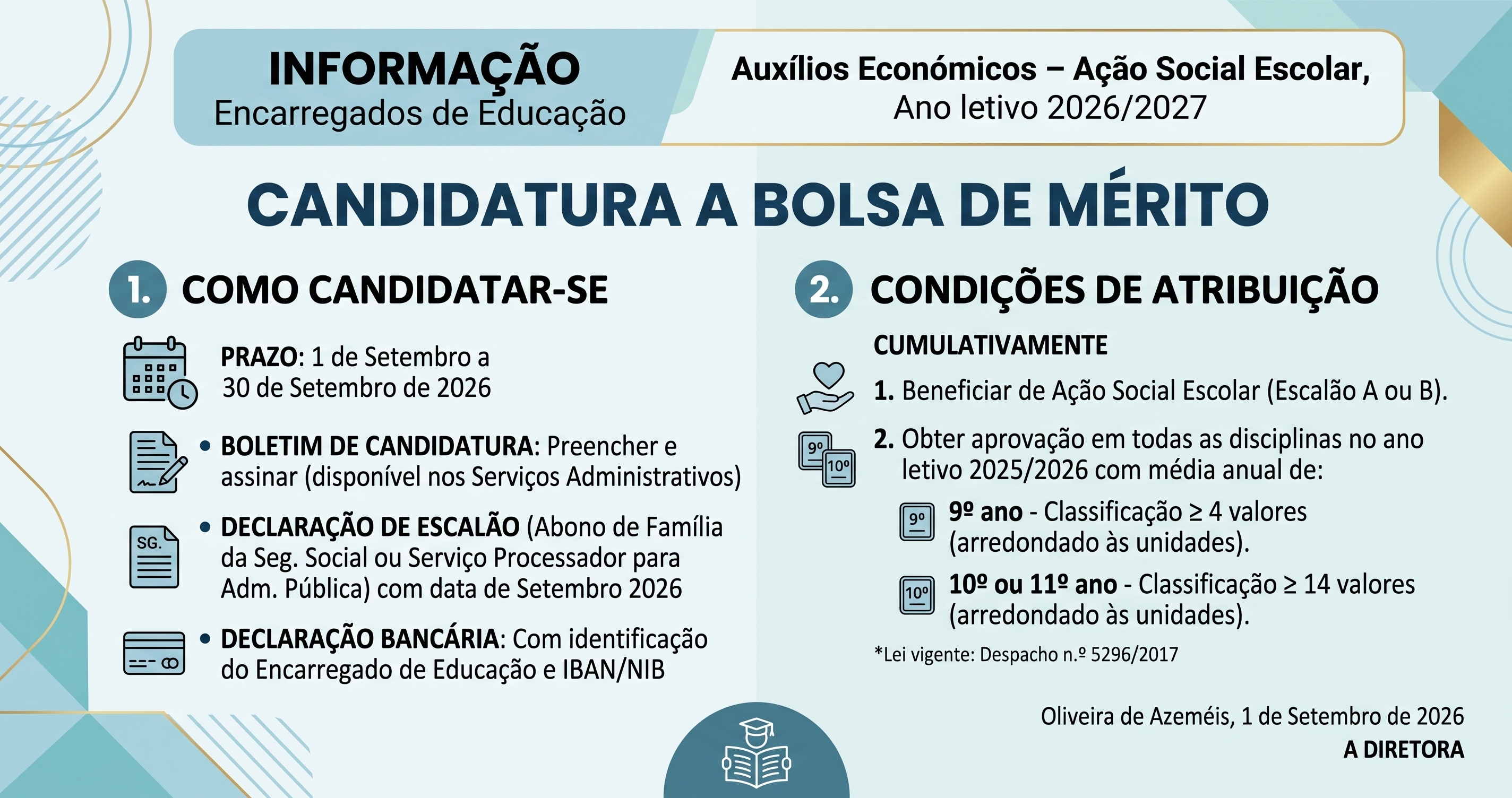
CANDIDATURA A BOLSA DE MÉRITO

Gemini Generated Image vy8altvy8altvy8a

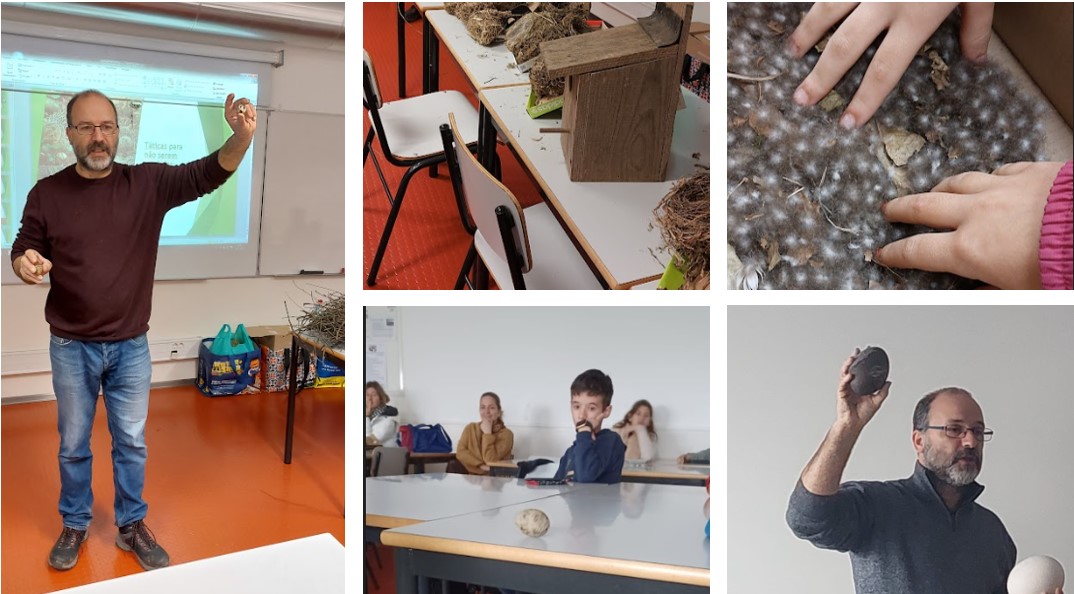
Nos dias 19 e 20 de dezembro, os alunos de todas as turmas de 6.ºano tiveram uma aula diferente com um convidado amigo, o Sr. Hugo Oliveira, encarregado de educação de dois alunos do 6.ºA.

A atividade consistiu numa abordagem ao mundo das aves, a construção de ninhos, a cor e forma dos ovos e a explicação de táticas usadas pelas aves para evitar os predadores. Os alunos puderam observar diferentes ovos e ninhos que o Sr. Hugo gentilmente trouxe para partilhar e atentamente acompanharam as várias explicações que foram dadas.

Os alunos colocaram questões, apresentaram dúvidas e escutaram, com elevada curiosidade, várias informações que souberam transmitir num diálogo posterior a esta sessão e que aqui se registam: As aves podem ser nidícolas ou nidífugas. As nidícolas nascem cegas, desprovidas de penas, são incapazes de se alimentarem sozinhas e, por essa razão, permanecem “coladas” ao ninho até serem capazes de voar, são exemplos os canários. As nidífugas “fogem” do ninho, abandonam logo após a eclosão do ovo/nascimento, são exemplos as codornizes. A avestruz aceita nos seus ninhos os ovos de outras aves, coloca-os ao redor do seu ovo e dá a comê-los aos predadores; a história de que a avestruz enterra a cabeça quando se sente ameaçada não passa de um mito. A ave ema é a segunda maior ave depois da avestruz e é o macho que se encarrega de chocar os ovos num ninho onde uma ou mais fêmeas os põem. A fêmea do pinguim imperador põe um ovo nos pés e passa para o macho que o mantém quentinho e protegido até chocar, enquanto a fêmea procura alimento. A fêmea do pavão é uma ave discreta com plumagem de cores menos vivas, e menos exuberantes em relação ao macho, que serve como camuflagem para proteger as crias dos predadores; quando o pavão abre o seu leque de penas é sinal que procura uma fêmea para a conquistar e acasalar. O maior ovo do mundo das aves pertence à avestruz e o menor ao colibri com o tamanho aproximado de uma ervilha. Quanto à forma, os ovos podem ser ovais, alongados ou quase esféricos, os ovais têm a caraterística de girar em torno do próprio eixo, dificilmente rolam e não caem ao chão. Quanto à cor, os ovos das aves tem cores diferentes estando a coloração associada ao efeito da camuflagem para evitar o ataque de animais predadores, ao reconhecimento facilitado dos ovos pelos próprios animais e como barreira à penetração dos raios ultravioletas. Há ninhos que são construídos com lama/barro outros com galhos, folhas, palha, pequenos caules, musgo e com a ajuda preciosa das teias de aranha. Um dos ninhos mais curioso é o do tecelão que parece uma pequena cesta pendurada numa extremidade de um ramo. Grandes ninhos são construídos pelas garças e os filhotes são alimentados tanto pela fêmea como pelo macho. O cuco põe os seus ovos nos ninhos de outras aves. Foi uma atividade muito enriquecedora!

Alunos do 6.ºano

parcerias26V F
